Research Article
Sustainable Polyhydroxyalkanoates Production by Indigenous Bacteria Using Low-cost Carbon Feedstocks
- 1 Department of Biology, Faculty of Basic Sciences, Lahore Garrison University, Lahore, Pakistan
- 2 Department of Botany, Women University Mardan, Mardan, Khyber Pakhtunkhwa, Pakistan
- 3 Department of Life Sciences, School of Science, University of Management and Technology, Lahore, Pakistan
- 4 Knowledge and Research Support Services, University of Management and Technology, Lahore, Pakistan
Corresponding author: Hafiz Zeshan Wadood, Department of Biology, Faculty of Basic Sciences, Lahore Garrison University, Lahore, Pakistan. Email: dr.zeshanwadood@lgu.edu.pk; shan_wadood@yahoo.com
Abstract
Background: Polyhydroxyalkanoates (PHAs) are intracellular, water-insoluble polyester inclusions that function as energy reservoirs, enabling microorganisms to withstand nutrient-limited and stressful environmental conditions.
Objectives: This study aimed to optimize PHA production by indigenous bacterial isolates utilizing low-cost carbon sources.
Methods: A total of 21 PHA-producing bacteria were obtained from soil and wastewater samples collected from agricultural and industrial sites in Lahore, Punjab. Preliminary screening using Nile blue A and Sudan Black B staining identified seven promising isolates. Among these isolates, DME2 and ISO7 exhibited the highest growth on minimal salt medium supplemented with glucose. The highest dried cell weight (DCW) and PHA accumulation were recorded in modified minimal salt medium after 24 and 48 hours.
Results: After 24 hours, isolates DME2 and ISO7 produced 1.685 and 1.895 gl−1 DCW with PHA contents of 52.45% and 37.24%, respectively. At 48 hours, they had 0.9225 and 5.232 gl−1 DCW with PHA content of 60.11% and 20.08%, respectively. This minimal salt medium was subsequently utilized to assess the efficiency of cheaper carbon substrates, including sugarcane juice and canola oil. Glucose supported the highest DCW and PHA production compared to the alternative carbon sources. Fourier transform infrared (FTIR) spectroscopy confirmed the presence of characteristic PHB functional groups in the extracted PHAs. Molecular characterization identified DME2 as Micrococcus sp. strain DME2 (PX117220) and ISO7 as Pseudomonas sp. strain ISO7 (PX117591).
Conclusion: The findings reinforce the potential of PHA-based bioplastics as an eco-friendly and sustainable alternative to conventional plastics.
Keywords: Canola oil, FTIR, Nile Blue A, Polyhydroxyalkanoates, Sugarcane juice, Sudan black B
1. Introduction
Plastics are long polymer chains that are not degradable and are indispensable. They are used in different items used in our daily life such as automobiles, agriculture, healthcare, kid's toys, construction, packaging, and textiles. In general, plastics are toxic to the environment throughout their life cycle 1. The production and use of plastics are causing a global issue of plastic pollution. Every year, the plastics industry produces over 300 million tons of plastics that are used only once before disposal. Because plastic waste is made of durable polymers that degrade slowly and could take hundreds or even thousands of years to break down 2. Small particles of plastic known as Microplastic with a diameter of less than 5 mm are found throughout the environment including water, air, soil, and various living organisms 3, 4. Microplastic affects adversely on aquatic organisms, slows down larval development and growth, increases oxygen intake, and promotes the production of reactive oxygen species 5.
There are some alternative methods to reduce the use of synthetic plastic and recycle to lessen the damage caused by it. Scientists are exploring the alternatives of conventional plastic with biodegradable materials 6. Bioplastic represents a specific group of environmentally friendly and biodegradable substances. Bio-based plastics are made partly or completely of polymers derived from renewable biological sources, such as cellulose, which can be found in wood, straw, cotton, or starch 7. Biodegradable plastics have attracted considerable interest because bacteria can biosynthesize and intracellularly accumulate PHAs, a class of biodegradable polyesters that serve as carbon and energy reserves. Certain bacteria naturally synthesize a type of polymer called PHA, which vary in chain lengths and function as storage materials. Cupriavidus necator, Azotobacter vinelandii, Pseudomonas putida, Alcaligenes latus, Bacillus megaterium, Halomonas spp., and Escherichia coli are examples of PHA-producing bacteria 8.
Bioplastics accumulate when bacterial growth is constrained by a lack of nitrogen, phosphorus, or oxygen, while an excess of a carbon source is available 9. The significance of bioplastics arises from the escalating costs of petroleum and its depleting reserves 8. PHA is a class of biodegradable polyester produced by microbes and used as a sustainable biopolymer for the production of biodegradable plastics. The PHA family comprises a diverse group of microbial polyesters that serve as intracellular carbon and energy reserves, PHB being one of the most extensively studied and commonly produced members. PHB is a naturally occurring polyester; its derivatives are biodegradable and share characteristics with petroleum-based polymers 10.
The potential applications of PHA were identified since the 1960s, encompassing their use in coatings, packaging, bottles, cosmetic containers, and even non-woven fabrics. PHAs are also used in diverse areas including biodegradable packaging like composting bags, food packaging, sanitary products, rubber substitutes, tissue engineering scaffolds, and various applications within the pharmaceutical and medical fields 11.
The primary objective of this study was to isolate and screen PHA-producing bacteria from agricultural soils and industrial effluents for the evaluation of PHA production using low-cost carbon feedstocks as a sustainable and ecofriendly alternative to petroleum-based plastics.
2. Material and Methods
2.1 Sample Collection
Soil samples were collected from agricultural sites in Lahore and wastewater samples were taken from the industrial areas. Two soil samples were taken from agricultural sites in DHA, Lahore, including the Maize and Mustard fields. Similarly, wastewater samples were collected from Kot Lakh pat, an industrial area, and Rohi Nala Road, Lahore, Punjab. The pH and temperature of the samples were measured at the sites of collection.
2.2 Isolation of PHA-producing Bacteria/CFU/ml of Samples
The soil and wastewater samples were serially diluted up to 10−6 folds. Isolated colonies were obtained using spread-plate technique. Morphologically different colonies were marked and given separate codes. These colonies were then purified by quadrant streaking techniques on nutrient agar plates. The colonies on the plates were counted using a colony counter, and the colony-forming unit (CFU/ml) of each sample were calculated using the following formula:
2.3 Screening of PHA-producing Bacteria 12
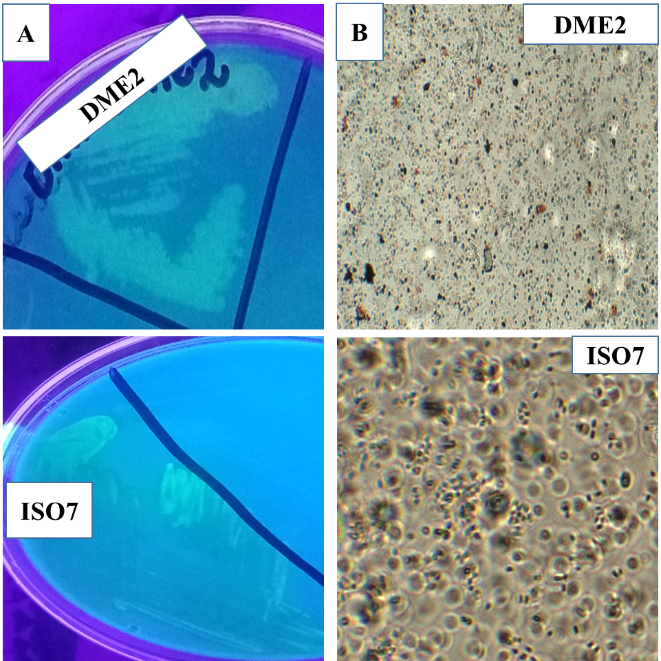
To screen for PHA-producing bacteria, two staining techniques, Nile blue A and Sudan black B staining, were performed. Nile blue A and Sudan Black B stains are lipophilic dyes, so they have a strong affinity with bioplastic produced by bacteria.
2.4 Nile Blue A Staining
For screening of PHA-producing bacteria, PHA detection agar containing Nile blue A stain was prepared. All the bacterial isolates were streaked on the plates containing PHA Detection Agar with Nile blue A. The streaked plates were incubated at 37°C for 24 hours. After 24 hours of incubation, the bacterial growth on the plates was observed under a UV light source to detect fluorescence.
2.5 Sudan Black B Staining
The slides were prepared with a heat-fixed film of each bacterial isolate which was screened through Nile blue staining. The slides were submerged in Sudan Black B solution for fifteen minutes. The slides were drained and dried, and then they were submerged and removed in xylene for two times, each with 1-2 minutes stay. These slides were then blot-dried using absorbent paper. The slides were stained for 5-10 seconds with a secondary dye (aqueous safranin solution). A compound light microscope was used to examine the slides.
2.6 Growth Optimization on PHA Detection Medium 12
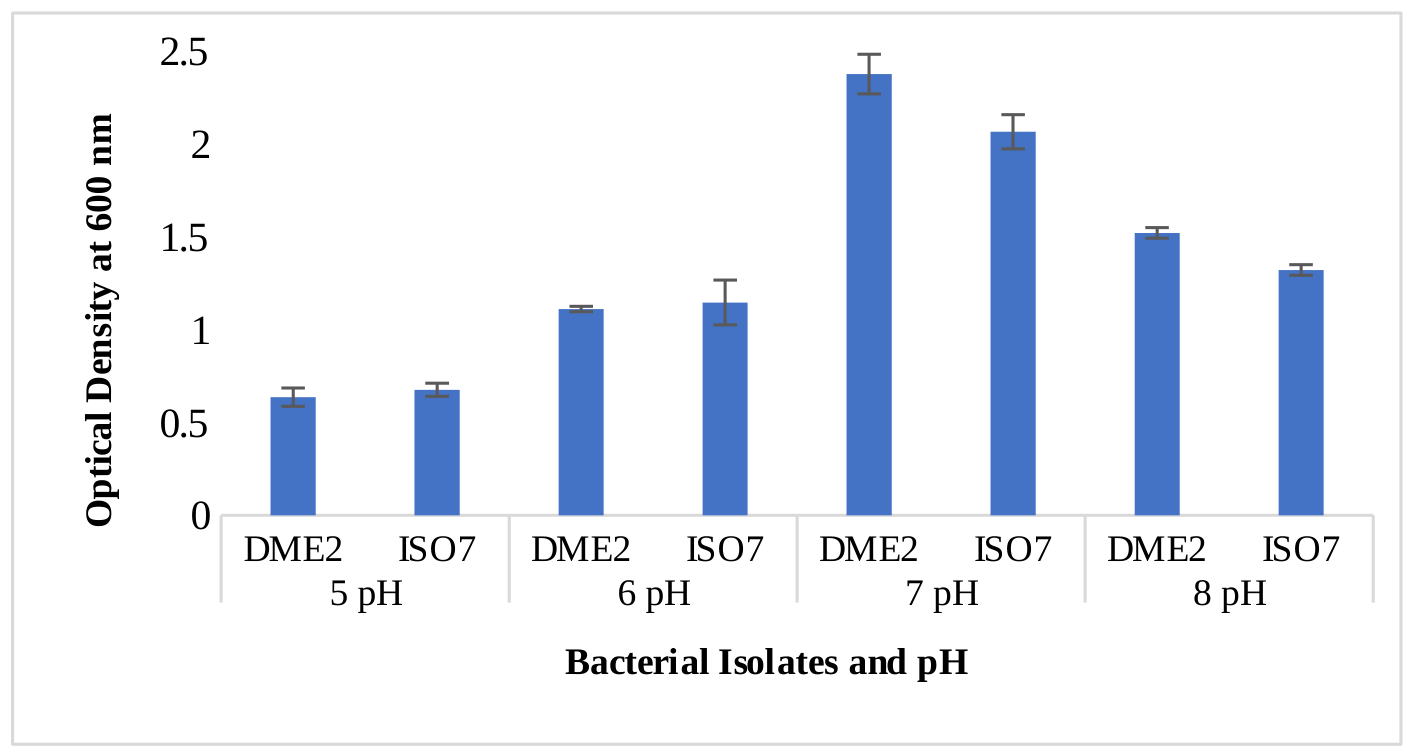
All the bacterial isolates that tested positive for both Nile blue A and Sudan Black B staining were grown on the stress media. Bacteria produce PHAs in the form of storage granules in the cell under stressed conditions. The flasks were incubated for three days and the growth of each bacterial isolate was observed by measuring the optical density (OD).
2.7 Physiological and Biochemical Characterization of the Bacterial Isolates
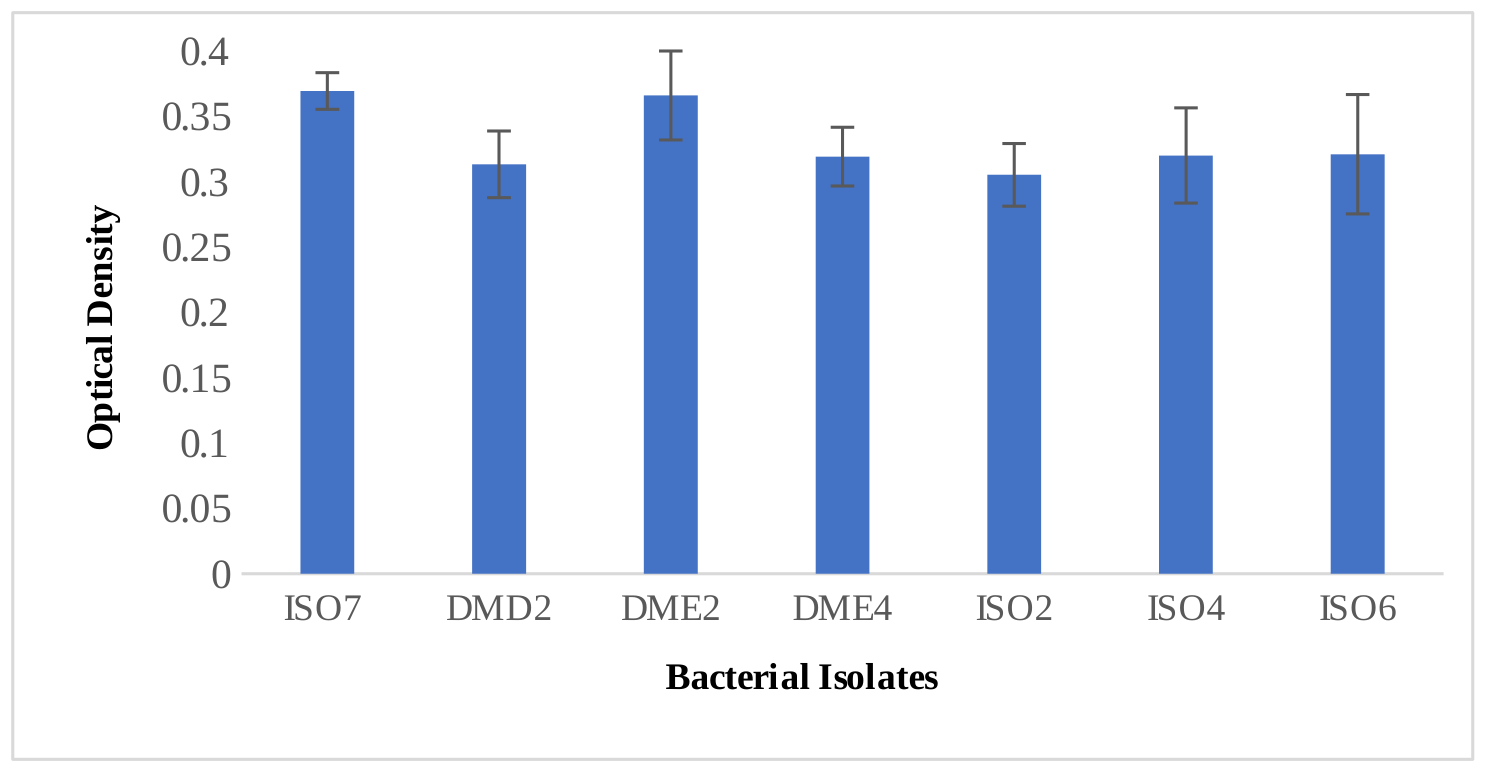
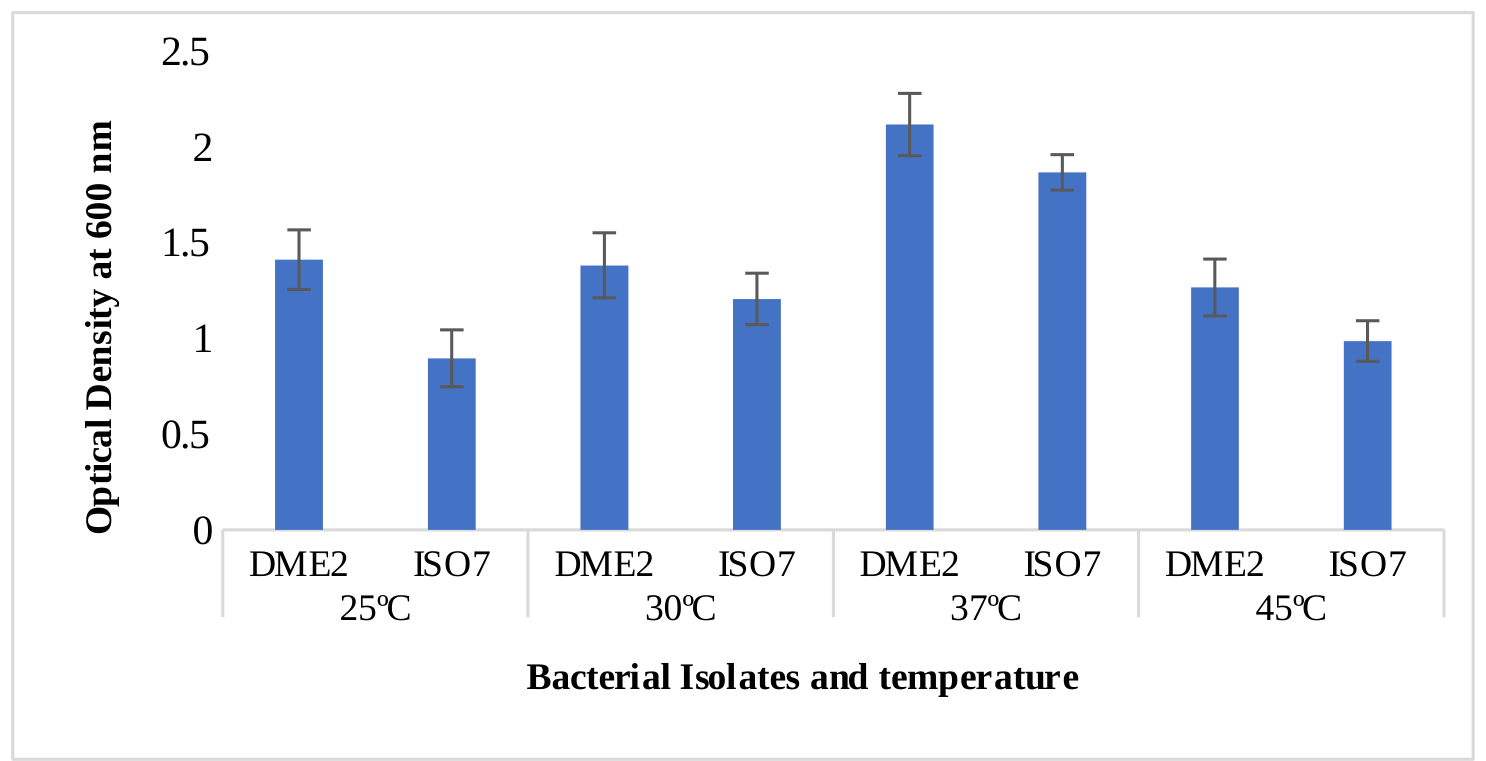
These bacterial isolates were then characterized physiologically, and optimum pH and temperature for their growth were determined. These bacterial isolates were also characterized using different biochemical tests 13.
2.8 PHA Production and Extraction using Three Different Media
As bacteria produce PHA / bioplastic under stress conditions, three different stress media were evaluated: mineral salt medium 14, modified mineral salt medium 15 and mineral salt medium containing yeast extract as a nitrogen source 16. These media are different in their carbon and nitrogen sources composition. Firstly, glucose was used as the sole carbon source in all three media to optimize bacterial growth. A 10% inoculum from pre-cultured isolates (OD600=0.5) was transferred into 200 ml of each of three media in separate flasks. The flasks were incubated at 37°C for 48 hours at 200 rpm. The optical density (OD) of each isolate grown in each medium was measured to check the growth of the bacteria. For optimization of PHA production, extraction of the bioplastic from the biomass produced in each medium was performed.
2.9 Extraction of the PHA from the Biomass of the Bacterial Isolates
The sodium hypochlorite method 17 was used for PHA extraction. Biomass of the bacterial isolates was obtained by centrifugation of samples at 9000 rpm for 10 minutes after 24 hours and 48 hours of incubation. The pellets were dried in a hot air oven at 70°C for 12 hours. Dry cell weight (DCW) was determined for each sample. Cells were mixed with sodium hypochlorite (13%) and agitated at 150 rpm for 100 minutes at ambient temperature. The suspension was then centrifuged at 9000 rpm and 25°C for 10 minutes. The supernatant was discarded to obtain the pellet containing granules of PHA. The pellet was then washed and resuspended in 20 ml of distilled water. The suspension was transferred to a glass beaker, and 10 ml of chloroform was added to dissolve the PHA granules. The mixture was placed at room temperature until distinct aqueous and organic layer were formed. The organic layer was pipetted out to the pre-weighed glass plate, chloroform was air-dried and PHA residue was obtained. The glass plate was again weighed to calculate the PHA yield. PHA percentage was calculated by using the following formula:
2.10 PHA Production using Cheaper Carbon Sources
For the optimization of PHA production, low-cost carbon sources, i.e., sugarcane juice and canola oil were selected. Some preliminary tests like starch and lipid hydrolysis were performed to check if these bacteria could utilize starch and lipids or not.
Before using sugarcane, juice was stored at −20°C, thawed, and then centrifuged to remove particles. Sugarcane juice was added to the culture medium after sterilization. The modified mineral salt medium supplemented with 2% sugarcane juice was prepared. The bacterial isolates were inoculated in the media, and the bioplastic was extracted with the procedure described above. The canola oil was sterilized by autoclaving before use. The modified mineral salt medium supplemented with 2% Canola oil was prepared. The bacterial isolates were inoculated into the medium, and the bioplastic was extracted following the procedure described above.
2.11 Fourier Transform Infrared Spectroscopy (FTIR) Analysis of the Bioplastic
The PHA extracted from the bacterial isolates was sent to the Central Laboratory at Lahore College for Women University (LCWU) for FTIR analysis. FTIR spectra were obtained using a Nexus 470 Nicolet FTIR spectrophotometer. The conditions for FTIR analysis were 600 to 3400 cm−1 wave number with a resolution of 4 cm−1 using 32 scans/spectrum.
2.12 Molecular Identification of Bacterial Isolates
For molecular identification, the bacterial isolates were sent to Macrogen Inc. (South Korea) for sequencing of the 16S rRNA genes of the bacterial isolates using Sanger (dideoxy) sequencing. The quality of the obtained 16S rRNA gene sequences was assessed using FinchTV (Geospiza, Inc., Seattle, WA), and low-quality regions and ambiguous bases were trimmed. Forward and reverse sequences were assembled into consensus sequences using NCBI BLASTn, followed by taxonomic identification through comparison with reference 16S rRNA gene sequences in the NCBI nucleotide database. Nearest homologous sequences were downloaded, and a phylogenetic tree was constructed using MEGA 12.0 18. The sequences were submitted to GenBank, and accession numbers were obtained.
3. Results
3.1 Bacterial Isolates Selected and CFU/ml of the Samples
The CFU/ml of soil and wastewater samples are given below in Table 1. A total of 21 bacterial isolates were selected based on their morphological differences. For final processing, eight isolates were selected from soil samples while thirteen isolates were taken from wastewater samples (Table 1).
| Sample number | Sample codes | CFU/ml | No. of colonies | Codes for the colonies |
|---|---|---|---|---|
| Soil samples | ||||
| 1 | DMD | 3 × 10⁶ | 4 | DMD1, DMD2, DMD3, DMD4 |
| 2 | DME | 2 × 10⁶ | 4 | DME1, DME2, DME3, DME4 |
| Wastewater samples | ||||
| 1 | MRL | 7 × 10⁶ | 3 | S1L1, S3L5, S6 |
| 2 | LRL | 8 × 10⁶ | 3 | S2MD, S3MD, S4MD |
| 3 | KLK1 | 3 × 10⁶ | 3 | ISO1, ISO2, ISO3 |
| 4 | KLK2 | 7 × 10⁶ | 2 | ISO4, ISO5 |
| 5 | KLK35 | 3 × 10⁶ | 2 | ISO6, ISO7 |
3.2 Screening of PHA-producing Bacteria
For the screening of PHA-producing bacteria, Nile blue A and Sudan Black B staining methods were performed as shown in Figure 1. Results showed that seven bacterial isolates, DMD2, DME2, ISO7, DME4, ISO2, ISO4, and ISO6, were positive for both staining methods. These seven bacterial isolates were selected for further analyses.
3.3 Growth Optimization on PHA Detection Medium (Minimal Salt Medium)
Out of the seven isolates selected on the basis of their staining reactions, only DME2 and ISO7 showed the highest growth on PHA detection medium and were selected for further study (Figure 2).
3.4 Biochemical Characterization of Isolates
The results for the biochemical characterization of the two selected isolates, DME2 and ISO7, are given below in Table 2.
| Biochemical tests | Bacterial isolates | |
|---|---|---|
| DME2 | ISO7 | |
| Gram staining | + | − |
| Spore staining | − | − |
| Oxidase test | + | + |
| Catalase test | + | + |
| Methyl red (MR) | + | + |
| Voges–Proskauer test (VP) | − | − |
| Indole test | − | − |
| Citrate utilization test | − | + |
| Urease test | − | + |
| H2S production test | − | − |
| Motility | − | + |
| Triple sugar iron test | Red/yellow | Red/yellow |
+, positive; −, negative.
3.5 Physiological Characterization
The optimum temperature and pH for these two selected bacterial isolates, DME2 and ISO7, were determined. The results showed that both isolates showed the optimal growth at pH 7 (Figure 3) and 37°C (Figure 4).
3.6 PHA Production and Extraction using Three Different Media
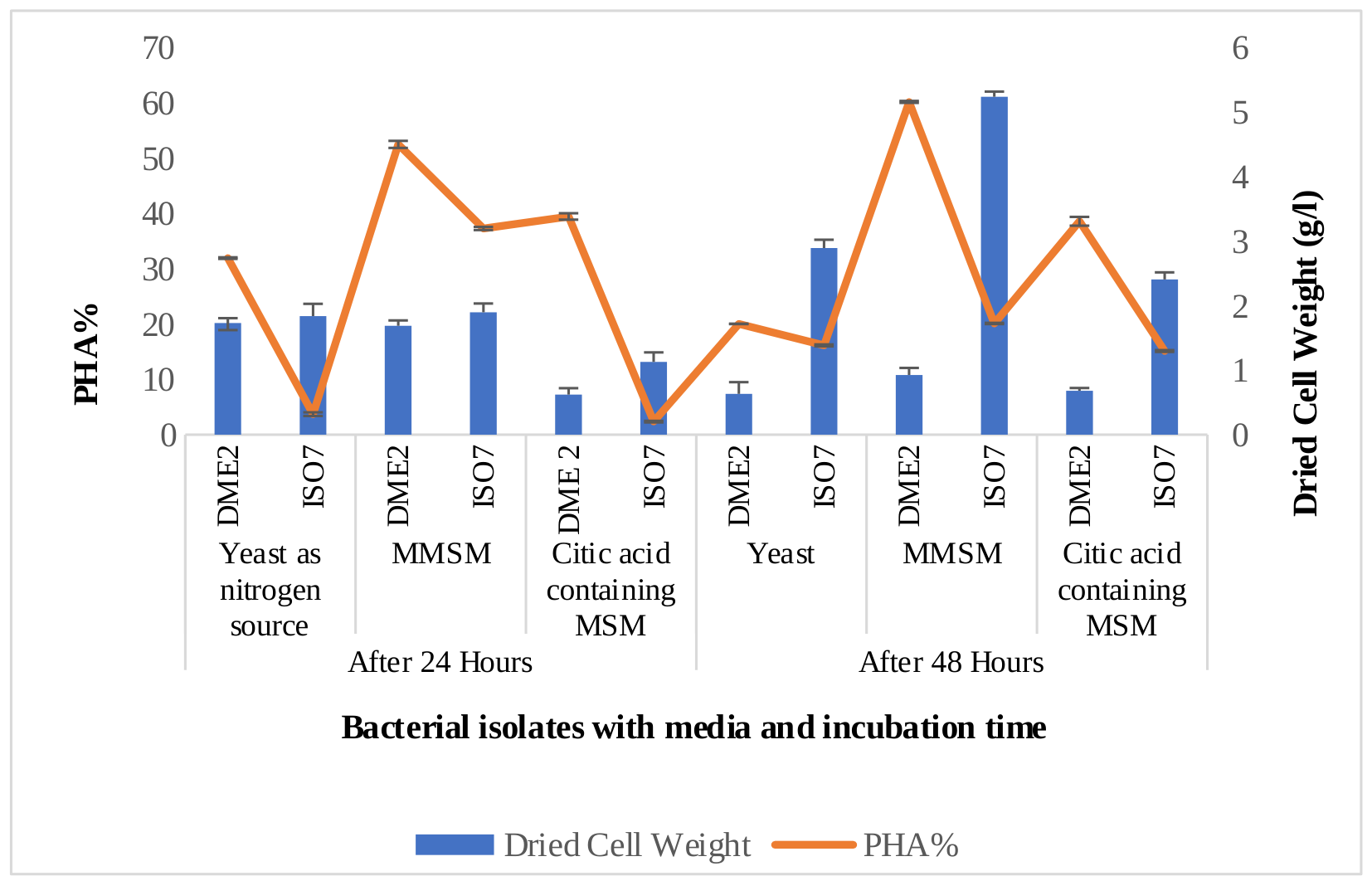
The DCW and PHA content % of both selected bacterial isolates, DME2 and ISO7, were highest in modified minimal salt media (MMSM) after 24 and 48 hours of incubation. The isolates DME2 and ISO7 produced 1.685 and 1.895 gl−1 DCW with PHA contents of 52.45% and 37.24%, respectively after 24 hours. These isolates produced 0.9225 and 5.23 gl−1 DCW with PHA contents of 60.113% and 20.085%, respectively after 48 hours. Therefore, these were selected for the growth of PHA-producing bacteria using low-cost carbon sources (Figure 5 and Figure 6).
3.7 PHA Production using Cheaper Carbon Sources
Two carbon sources, sugarcane juice and canola oil were utilized for the PHA production as low-cost carbon sources. The bacterial isolates, DME2 and ISO7, were able to hydrolyze starch and lipids, as there were zones observed in the Petri plates of tributyrin and starch supplemented agar media plates.
3.8 Sugarcane Juice as Low-cost Carbon Source
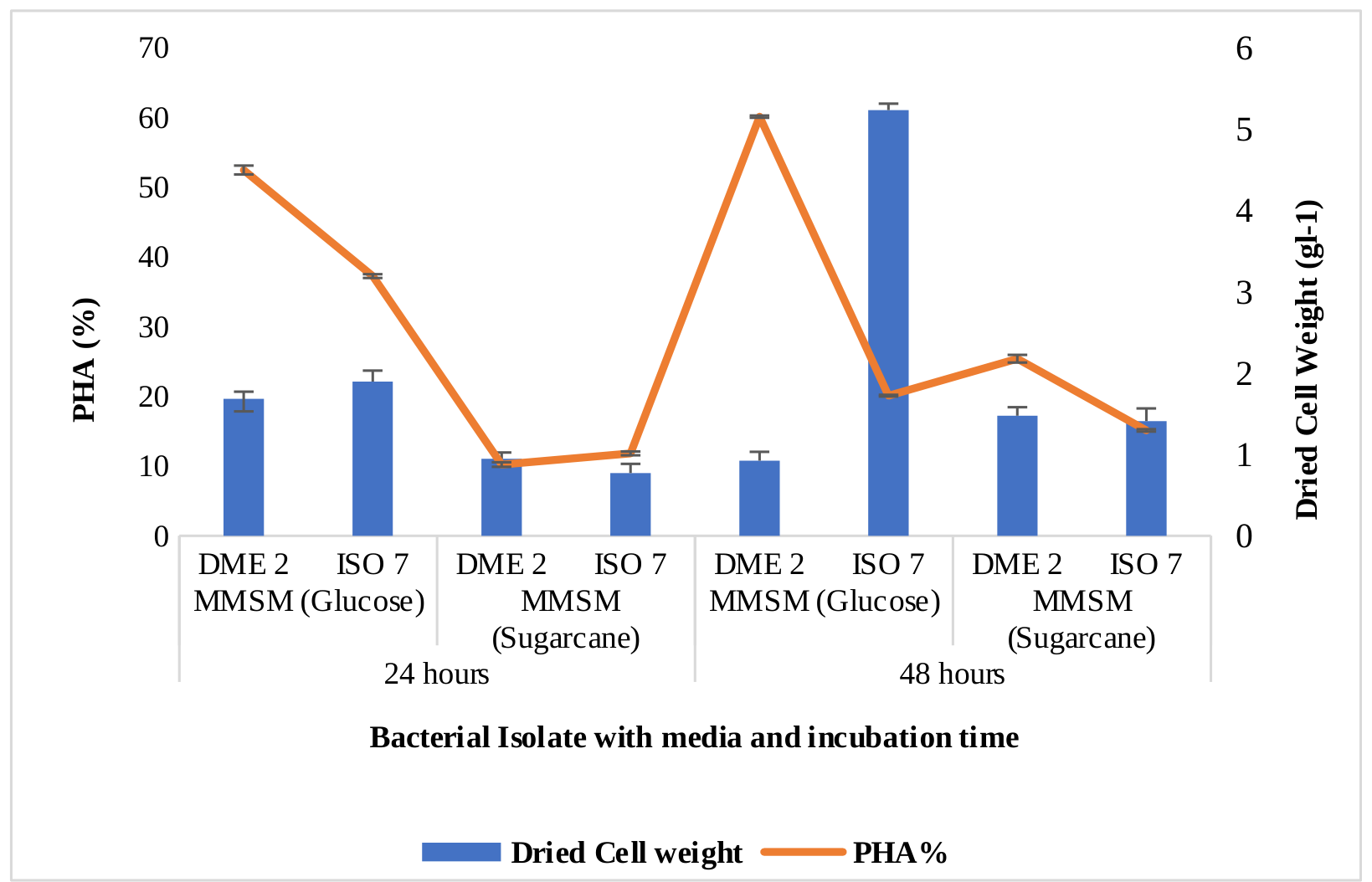
Sugarcane juice was utilized instead of glucose for the PHA production in modified minimal salt medium. The results showed that DCW was higher in glucose containing medium as compared to sugarcane juice-containing medium, at 24 and 48 hours for both isolates. The DCW/PHA% for DME2 in sugarcane juice-containing medium as a carbon source was 0.945 gl−1/10.225% and 0.775 gl−1/11.81% after 24 and 48 hours, respectively. Similarly, the DCW/PHA% for ISO7 was found to be 1.475 gl−1/ 25.39% and 1.41 gl−1/15.115 % after 24 and 48 hours, respectively. These results show that glucose was a better carbon source than sugarcane juice for both bacterial isolates (Figure 7).
3.9 Canola Oil as a Low-cost Carbon Source
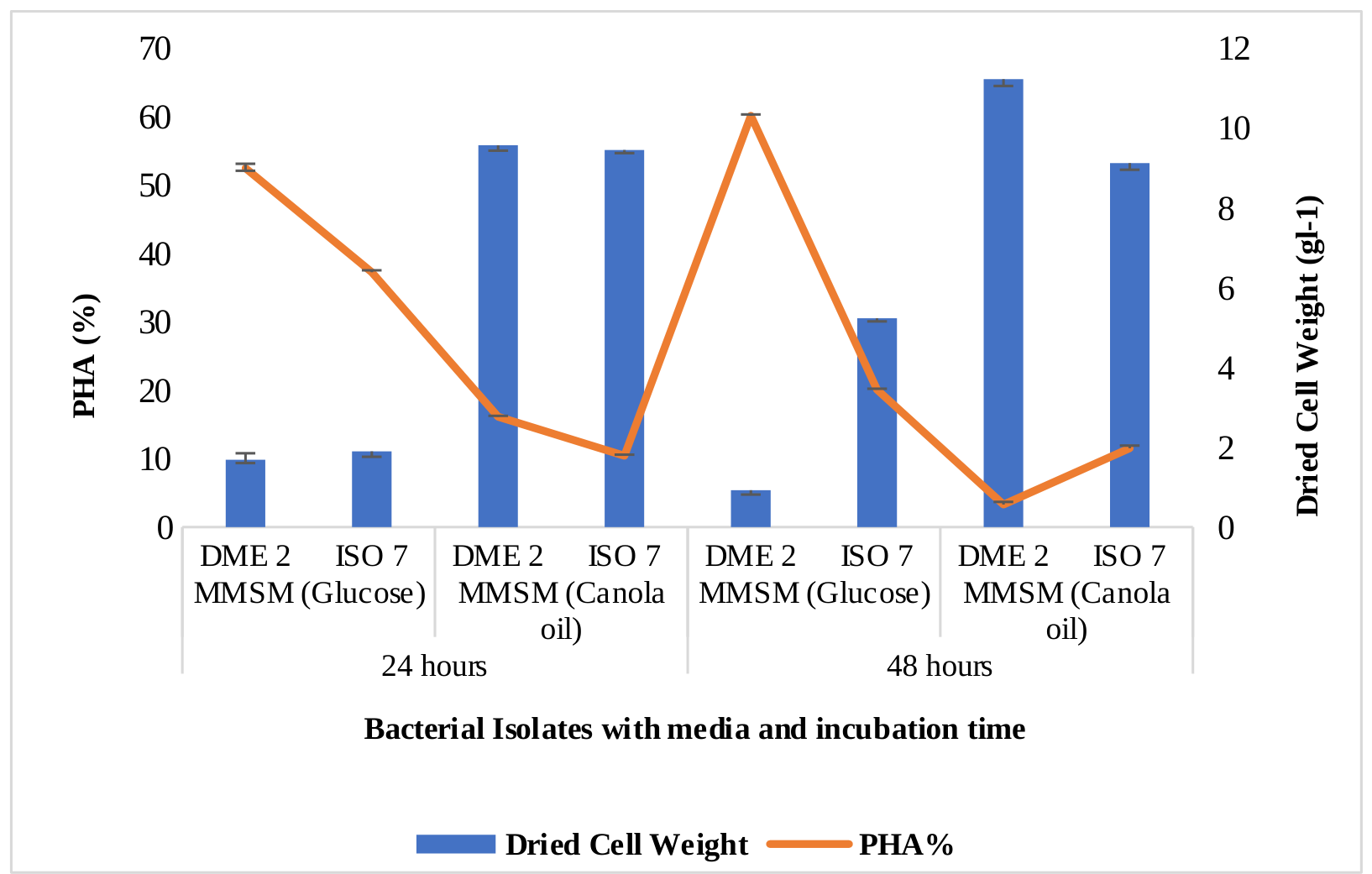
Canola oil was utilized instead of glucose for the production of PHAs in modified minimal salt medium. The results showed that DCW was higher in glucose-containing medium as compared to canola oil containing medium, after 24 hours and 48 hours for both the bacterial isolates. The DCW of DME2 and ISO7 was 9.565 gl−1 and 9.445 gl−1 respectively after 24 hours, whereas the DCW was found to be 11.22 gl−1 and 9.115 gl−1 for DME2 and ISO7, respectively, after 48 hours. However, the PHA% was lower in the medium containing canola oil as a carbon source after 24 and 48 hours for both bacterial isolates. The PHA% of DME2 was 16.11 % and 3.28 % after 24 and 48 hours, respectively. Similarly, the PHA% of ISO7 was 10.42 % and 11.525 % after 24 and 48 hours, respectively. This shows that glucose was a better carbon source than canola oil for PHA production by both bacterial isolates (Figure 8).
3.10 FTIR Analysis
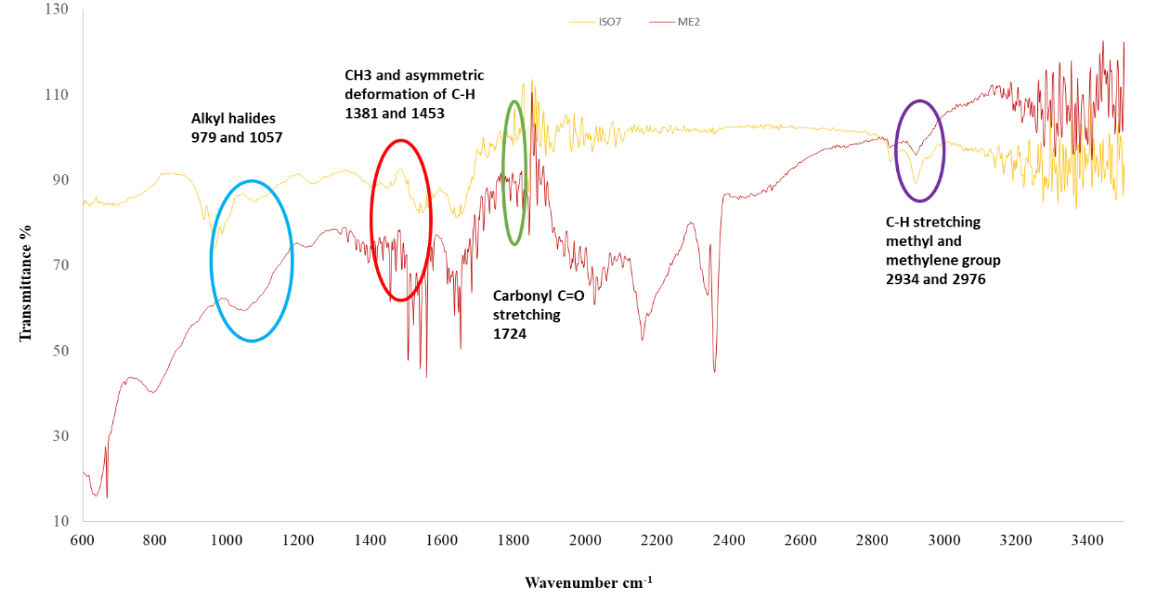
FTIR analysis was performed to characterize the PHA produced by the bacterial isolates. PHA was extracted and infrared spectra in the 600–3400 cm−1 range were recorded. Peaks at 979 and 1057 cm−1 corresponded to alkyl halides, whereas the peaks at 1381 and 1453 cm−1 represented CH3 group and asymmetric deformation of C-H in CH2, respectively. The peak at 1724 cm−1 linked to carbonyl C=O stretching, similarly the peaks at 2934 and 2976 cm−1 corresponded to C-H stretching of methyl and methylene groups, respectively. These absorption bands correspond to PHB's structural integrity (Figure 9).
3.11 Molecular Identification of Bacterial Isolates
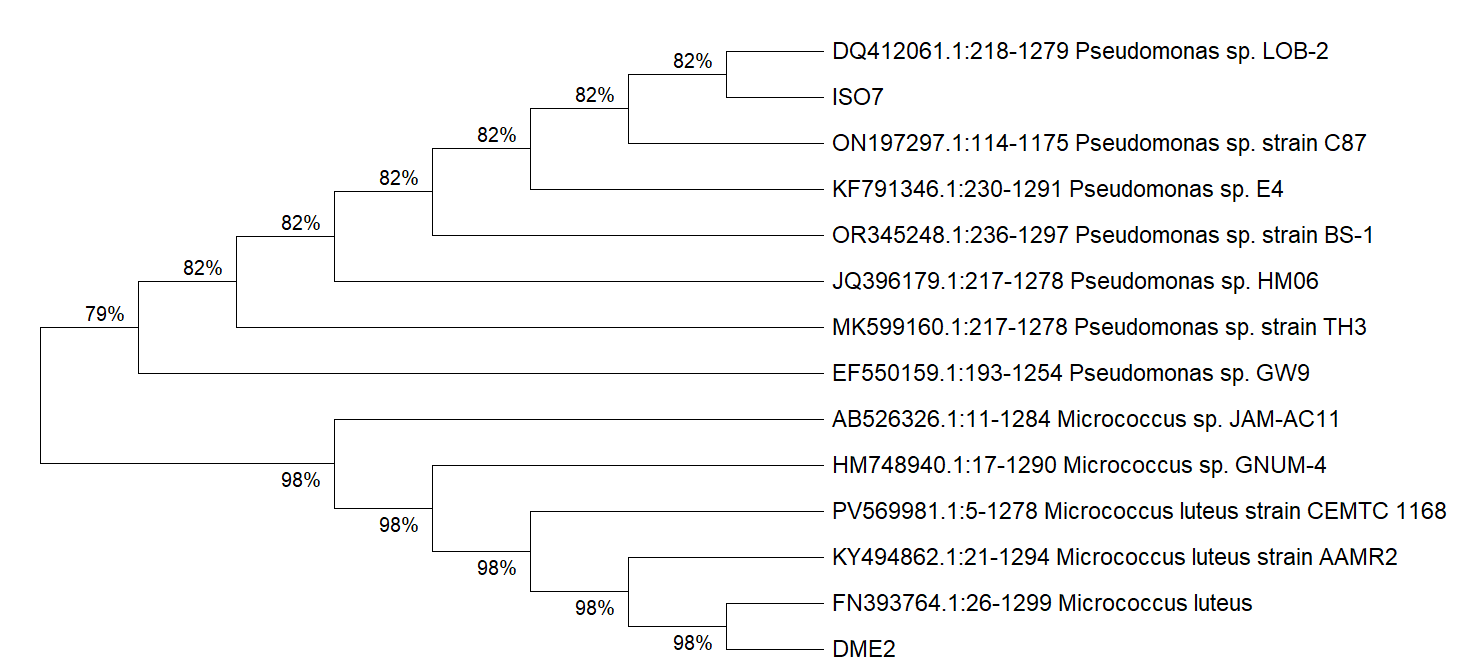
Analysis of the 16S rRNA gene sequences of the bacterial isolates showed that they belonged to Pseudomonas and Micrococcus genera. DME2 was detected as Micrococcus sp. and ISO7 was identified as Pseudomonas sp. The accession numbers assigned to the sequences submitted to GenBank were PX117591 for Pseudomonas sp. strain ISO7 and PX117220 for Micrococcus sp. DME2. The phylogenetic tree of these sequences constructed along with closely related homologues from NCBI BLAST results also confirmed the genus level identity of these isolates (Figure 10).
4. Discussion
Conventional synthetic plastics derived from fossil fuels contribute significantly to global plastic pollution due to their slow degradation and the production of toxic byproducts 19. Bioplastics, being biodegradable and derived from microbes, offer a sustainable alternative. In this study, soil and wastewater samples rich in diverse microbial communities were selected due to their high potential to yield stress-tolerant, bioplastic-producing bacteria.
To identify suitable bacterial strains, serial dilution and colony purification were performed. Twenty-one bacterial isolates were obtained, and seven (DMD2, DME2, ISO7, DME4, ISO2, ISO4, and ISO6) were tested positive for PHA production using Sudan Black B and Nile blue A staining, known to have affinity for lipophilic PHA granules. These methods provided high sensitivity and contrast, aiding effective visualization under light and fluorescence microscopy.
The selected isolates showed varied morphological characteristics, with colonies differing in pigmentation (off-white to yellow), form (circular, rhizoid, or irregular), margin (lobate or entire), and consistency (dry or buttery). Further characterization through Gram staining, spore staining, and eight biochemical tests revealed that four isolates were Gram-positive and three were Gram-negative. All isolates were oxidase-positive, and all except for DMD2 were catalase-positive. Most isolates were indole and methyl red positive and showed specific growth patterns in TSI and SIM media.
To assess stress tolerance, all seven isolates were grown on modified salt media, with DME2 and ISO7 demonstrating optimal growth. These two isolates were identified as belonging to the genera Micrococcus and Pseudomonas, respectively. These bacteria are known for efficient PHA production due to their metabolic flexibility and ability to utilize low-cost carbon sources under stress.
To optimize production, the isolates were cultured in three stress media: citric acid-containing medium, yeast extract-based medium, and modified mineral salt medium. The highest dried cell weight (DCW) and PHB content were observed in modified mineral salt medium after 24 and 48 hours. After 24 hours, DME2 and ISO7 yielded 1.685 gl−1 and 1.895 gl−1 DCW with 52.45% and 37.24% PHB, respectively. After 48 hours, PHB content increased to 60.113% and 20.085%, respectively.
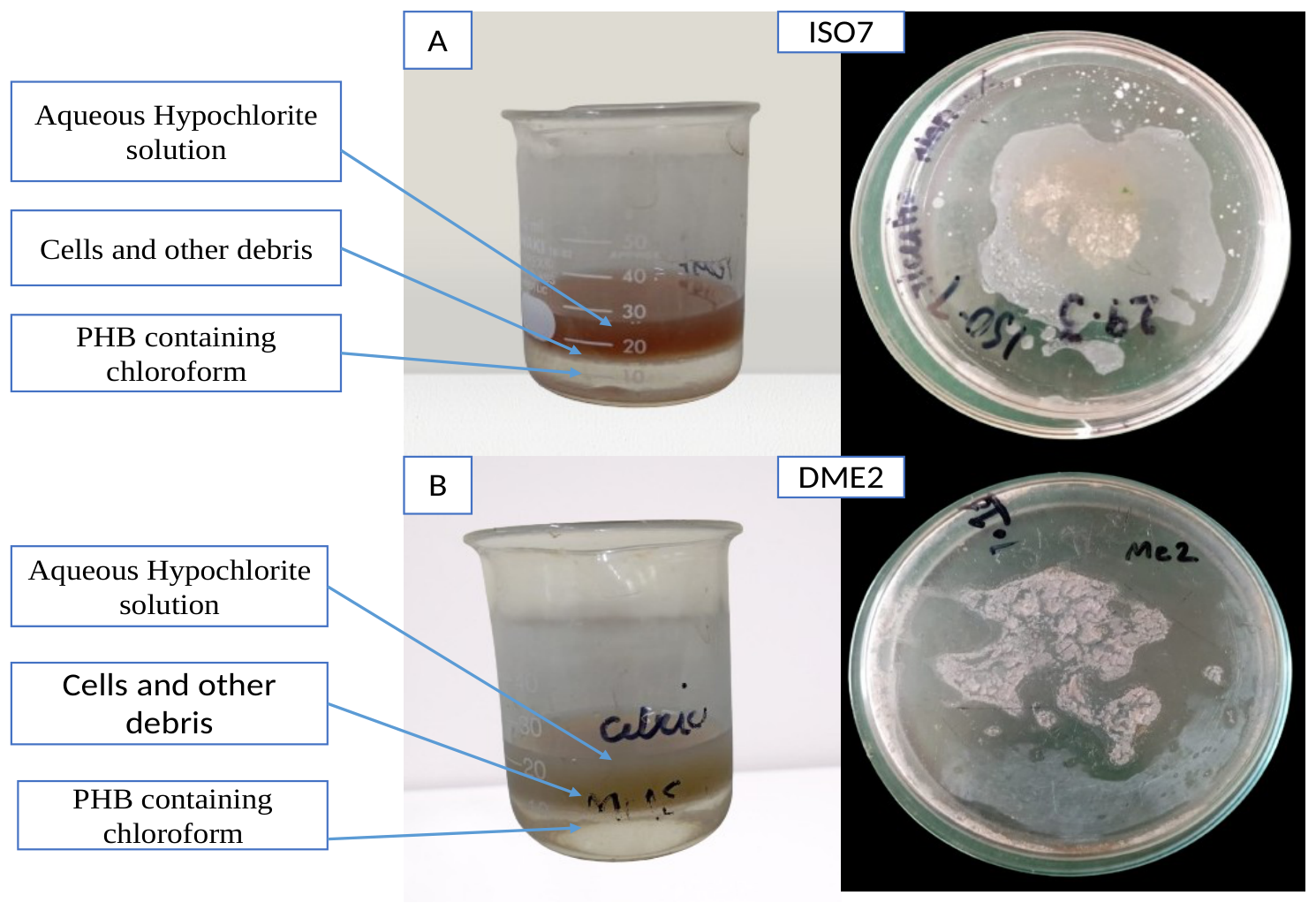
The sodium hypochlorite-chloroform method was used to extract PHA. Although effective, this method requires careful handling to prevent polymer degradation. FTIR analysis confirmed the presence of characteristic PHB associated peaks. Peaks at 979 and 1057 cm−1 corresponded to alkyl halides, whereas peaks at 1381 and 1453 cm−1 represented the CH3 group and asymmetric deformation of C-H in CH2, respectively. The peak at 1724 cm−1 corresponded to carbonyl C=O stretching, while the peaks at 2934 and 2976 cm−1 corresponded to C-H stretching of methyl and methylene groups, respectively, affirming the polymer identity. Similar findings have been reported previously 20, 21.
Preliminary starch and lipid hydrolysis tests confirmed that the bacterial isolates were capable of utilizing low-cost carbon sources. Sugarcane juice and canola oil were selected due to their local availability and nutrient richness. Although glucose supported the highest PHB production, sugarcane juice and canola oil also yielded substantial bioplastic, supporting the idea of replacing costly substrates with low-cost carbon source alternatives.
Consistent with earlier studies, several organic wastes such as molasses, banana peels, cheese whey, waste cooking oils, and various plant-based residues, have been effectively used to reduce bioplastic production costs 22, 23. These substrates are in line with sustainable development and circular economy.
Stress-induced PHA accumulation was further evaluated using minimal salt media. By limiting essential nutrients and supplying defined carbon sources, such conditions mimic environmental stress that drives bacteria to store energy as PHAs. These results are consistent with previous studies showing that nutrient limitation enhances PHA synthesis in bacteria 24.
Finally, the physiological characteristics of DME2 and ISO7 were evaluated. Optimal growth was observed at pH 7 and 37°C, consistent with earlier findings 25.
Numerous studies have reported the potential of agro-industrial wastes such as banana peels, molasses, food waste, and dairy by-products as low-cost alternatives to synthetic carbon sources. These wastes are carbohydrate-rich and support microbial growth while potentially reducing the overall production cost. Compared with the glucose-based control, sugarcane juice and canola oil used in this study exhibited moderate but promising bioplastic yields. Their performance highlights the potential of integrating these renewable substrates into the production pipeline without compromising microbial growth or PHB yield, as also reported in previously published studies 22, 26.
The role of stress conditions in inducing PHA production is well established. Limiting essential nutrients like nitrogen or phosphorus, can redirect bacteria to divert metabolic flux toward PHA accumulation as an intracellular carbon and energy reserve. In the present study, minimal salt media effectively mimicked these conditions, confirming previous findings that stress environments act as biological triggers for PHA synthesis. This response is particularly beneficial in biotechnological applications where stress-responsive bacteria can be utilized for high-yield bioplastic production with minimal resource input 27, 28, 29.
The use of agricultural and industrial waste materials not only reduces the economic burden associated with expensive carbon sources but also contributes to environmental sustainability. Repurposing waste as fermentation substrates aligns with the principles of the circular economy and helps in reducing the waste accumulation and plastic pollution. This dual benefit positions microbial bioplastics as a potential eco-friendly replacement for conventional plastic materials in packaging, agriculture, and even biomedical fields 30, 31, 32.
For large-scale implementation, the selection of robust bacterial strains that can thrive under fluctuating industrial conditions and utilize inexpensive substrates is crucial. Isolates DME2 and ISO7 showed not only resilience in minimal media but also versatility in carbon source usage, supporting their consideration for bioreactor-based production. Moreover, the use of common laboratory staining methods and the reproducibility of results make this research easily transferable to industrial settings for pilot-scale trials.
Despite promising findings, certain limitations need to be addressed in future research. For instance, the present study focuses solely on bacterial strains, excluding fungal or genetically engineered microbes known for enhanced bioplastic productivity. Moreover, advanced analytical techniques such as nuclear magnetic resonance (NMR) spectroscopy could further confirm the chemical structure and composition of the polymer. Future studies should also explore co-culture fermentation strategies and continuous bioreactor systems to boost yield and consistency.
This research demonstrates that bioplastics can be efficiently synthesized by stress-tolerant bacterial strains isolated from local soil and wastewater using low-cost carbon sources. Methods like Nile blue A and Sudan Black B staining, combined with morphological, biochemical, and FTIR analysis, effectively screened and characterized PHA production. The findings support the further application of renewable resources in microbial bioplastic production, offering an eco-friendly solution to plastic pollution.
5. Conclusion and Future Perspectives
The present study has many benefits for our future lives including bioplastic produced through bacteria, eco-friendly, and biodegradable alternative to conventional petroleum-based plastic. These bioplastics can be a sustainable alternative and utilized commercially in commercial areas like pharmaceutical and food packaging industries, while their other beneficial applications can be further explored. Bioplastics are bio-compatible, nontoxic, non-carcinogenic, antimicrobial, biodegradable in nature, and has great market demand. If they are produced commercially in Pakistan, they could potentially reduce the imports and enhance exports. Therefore, such PHAs can benefit Pakistan economically. To increase bioplastic production from the bacteria, different physiochemical parameters such as pH, temperature, concentration of microbes, time, and nutrient concentration, can be optimized in the stress media. The fermentation conditions such as heat, pH, aeration, agitation, and nutrient supply can also be optimized to increase PHA productivity. Additional analytical techniques such as mass spectroscopy, nuclear magnetic resonance (NMR) spectroscopy, X-ray diffraction, and differential scanning calorimetry, could be used to characterize the bioplastic produced through bacteria. To improve the mechanical properties of bioplastics, we can add or blend other materials like starch, plasticizers, stabilizers, or fillers. Genetic engineering, microbial consortia (mixed cultures), and synthetic biology can also be utilized to enhance the bioplastic production capabilities of bacterial isolates. Moreover, further efforts can be made to reduce the production costs by improving its economic competitiveness.
Acknowledgments
Authors acknowledge the research facilities provided by the research laboratories of Department of Biology, Lahore Garrison University. Authors also acknowledge the services provided by the Central Laboratory, Lahore College for Women University (LCWU) for FTIR analysis.
Declarations
Author Contributions: AN: Methodology, Writing. ND & SSI: Data Analysis, Review and Editing. HZW & IA: Conceptualization, Supervision. All authors have read and agreed to the published version of the manuscript.
Conflict of Interest Statement: The authors declare no conflicts of interest.
Data Availability Statement: The data supporting the findings of this study are available from the corresponding author upon reasonable request.
Supplementary Materials Statement: Supplementary files are available upon request.
Generative AI and AI-Assisted Technology Disclosure: The authors did not use any generative AI or AI-assisted tools in the preparation of this manuscript.
Funding Statement: This research received no external funding.
References
- Rodrigues MO, Abrantes N, Gonçalves FJM, Nogueira H, Marques JC, Gonçalves AMM. Impacts of plastic products used in daily life on the environment and human health: what is known? Environ Toxicol Pharmacol. 2019;72:103239. https://doi.org/10.1016/j.etap.2019.103239 PMID: 31472322
- Narayanan M, Kandasamy G, Murali P, et al. Optimization and production of polyhydroxybutyrate from sludge by Bacillus cereus categorized through FT-IR and NMR analyses. J Environ Chem Eng. 2021;9(1):104908. https://doi.org/10.1016/j.jece.2020.104908
- Aliya S, Alhammadi M, Ilangovan S, et al. Microplastics: an emerging environmental risk factor for gut microbiota dysbiosis and cancer development? Environ Chem Ecotoxicol. 2025;7:706-728. https://doi.org/10.1016/j.enceco.2025.03.005
- Pérez-Méndez MA, Fraga-Cruz GS, Domínguez-García S, Pérez-Méndez ML, Bocanegra-Díaz CI, Nápoles-Rivera F. Microplastic pollution in soil and water and the potential effects on human health: a review. Processes. 2025;13(2):502. https://doi.org/10.3390/pr13020502
- Chauhan K, Kaur R, Chauhan I. Sustainable bioplastic: a comprehensive review on sources, methods, advantages, and applications of bioplastics. Polym Technol Mater. 2024;63(8):913-938. https://doi.org/10.1080/25740881.2024.2307369
- Mohapatra S, Mohanta PR, Sarkar B, Daware A, Kumar C, Samantaray DP. Production of polyhydroxyalkanoates (PHAs) by Bacillus strain isolated from waste water and its biochemical characterization. Proc Natl Acad Sci India Sect B Biol Sci. 2017;87(2):459-466. https://doi.org/10.1007/s40011-015-0626-6
- Negrete-Bolagay D, Guerrero VH. Opportunities and challenges in the application of bioplastics: perspectives from formulation, processing, and performance. Polymers (Basel). 2024;16(18):2561. https://doi.org/10.3390/polym16182561
- Muneer F, Rasul I, Azeem F, Siddique MH, Zubair M, Nadeem H. Microbial polyhydroxyalkanoates (PHAs): efficient replacement of synthetic polymers. J Polym Environ. 2020;28(9):2301-2323. https://doi.org/10.1007/s10924-020-01772-1
- de Mello AFM, Machado CMB, Neyra LCR, et al. Biorefinery-based production of biodegradable bioplastics: advances and challenges in circular bioeconomy. npj Mater Sustain. 2025;3(1):42.
- Somleva MN, Peoples OP, Snell KD. PHA bioplastics, biochemicals, and energy from crops. Plant Biotechnol J. 2013;11(2):233-252. https://doi.org/10.1111/pbi.12039
- Marjadi D, Dharaiya N. Bioplastic: a better alternative for sustainable future. Search Res. 2011;2(2):159-163.
- Sachan RSK, Kumar A, Karnwal A, Paramasivam P, Agrawal A, Ayanie AG. Screening and characterization of PHA producing bacteria from sewage water identifying Bacillus paranthracis RSKS-3 for bioplastic production. BMC Microbiol. 2025;25(1):136. https://doi.org/10.1186/s12866-025-03841-8
- Aliyu A, Hafsat, Abubakar M, Fardami, Aminu Y. Isolation and identification of bacteria associated with bioelectricity generation from fruit wastes and gutter sludge using microbial fuel cells (MFC) in Kano Metropolis, Kano State, Nigeria. Niger J Sci Eng Infrastruct. 2024;2(1):10-26. https://doi.org/10.61352/2024AT01
- Alsafadi D, Almashaqbeh O, Oqdeh S, Mansour A. Dead Sea water as a sustainable source for the production of microbial bioplastics polyhydroxyalkanoates by halophiles. Bioresour Technol Rep. 2024;28:101989. https://doi.org/10.1016/j.biteb.2024.101989
- Danial AW, Hamdy SM, Alrumman SA, Gad El-Rab SMF, Shoreit AAM, Hesham AEL. Bioplastic production by Bacillus wiedmannii AS-02 OK576278 using different agricultural wastes. Microorganisms. 2021;9(11):2395. https://doi.org/10.3390/microorganisms9112395
- Mahato RP, Kumar S, Singh P. Optimization of growth conditions to produce sustainable polyhydroxyalkanoate bioplastic by Pseudomonas aeruginosa EO1. Front Microbiol. 2021;12:711588. https://doi.org/10.3389/fmicb.2021.711588
- Chaudhry WN, Jamil N, Ali I, Ayaz MH, Hasnain S. Screening for polyhydroxyalkanoate (PHA)-producing bacterial strains and comparison of PHA production from various inexpensive carbon sources. Ann Microbiol. 2011;61(3):623-629. https://doi.org/10.1007/s13213-010-0181-6
- Wadood HZ, Latif A, Mukhtar H, Javed M, Mukhtar H, Rehman Y. Planktonic cells of Staphylococcus and Bacillus species capable of faster chromium reduction in short incubation times as compared to their biofilms. Arab J Geosci. 2021;14(17):1797. https://doi.org/10.1007/s12517-021-08226-5
- Kibria MG, Paul UK, Hasan A, Mohtasim MS, Das BK, Mourshed M. Current prospects and challenges for biomass energy conversion in Bangladesh: attaining sustainable development goals. Biomass Bioenergy. 2024;183:107139. https://doi.org/10.1016/j.biombioe.2024.107139
- Hamdy SM, Danial AW, Gad El-Rab SMF, Shoreit AAM, Hesham AEL. Production and optimization of bioplastic (polyhydroxybutyrate) from Bacillus cereus strain SH-02 using response surface methodology. BMC Microbiol. 2022;22(1):183. https://doi.org/10.1186/s12866-022-02593-z
- Mostafa YS, Alrumman SA, Otaif KA, Alamri SA, Mostafa MS, Sahlabji T. Production and characterization of bioplastic by polyhydroxybutyrate accumulating Erythrobacter aquimaris isolated from mangrove rhizosphere. Molecules. 2020;25(1):179. https://doi.org/10.3390/molecules25010179
- Mujtaba M, Fernandes Fraceto L, Fazeli M, et al. Lignocellulosic biomass from agricultural waste to the circular economy: a review with focus on biofuels, biocomposites and bioplastics. J Clean Prod. 2023;402:136815. https://doi.org/10.1016/j.jclepro.2023.136815
- Choudhary P, Pathak A, Kumar PSC, Sharma N. Commercial production of bioplastic from organic waste-derived biopolymers viz-a-viz waste treatment: a minireview. Biomass Convers Biorefin. 2024;14(10):10817-10827. https://doi.org/10.1007/s13399-022-03145-1
- Wang K, Hobby AM, Chio A, El Mashad HE, Zhang R. Bioconversion of dairy co-products to polyhydroxyalkanoates by halophilic microbes with salts and nutrients recycling. Bioresour Technol. 2025;424:132228. https://doi.org/10.1016/j.biortech.2025.132228
- Hawas EM, Mohamed J, El-Banna TES, Abdelmonteleb Belal EB, El-Aziz AA. Production of bioplastic from some selected bacterial strains. Int J Curr Microbiol Appl Sci. 2016;5(1):10-22. https://doi.org/10.20546/ijcmas.2016.501.002
- Gong L, Passari AK, Yin C, et al. Sustainable utilization of fruit and vegetable waste bioresources for bioplastics production. Crit Rev Biotechnol. 2024;44(2):236-254. https://doi.org/10.1080/07388551.2022.2157241
- Ibrahim R, Aranjani JM, Prasanna N, Biswas A, Gayam PKR. Production, isolation, optimization, and characterization of microbial PHA from Bacillus australimaris. Sci Rep. 2025;15(1):8395. https://doi.org/10.1038/s41598-025-92146-x
- Corti Monzón G, Bertola G, Herrera Seitz MK, Murialdo SE. Exploring polyhydroxyalkanoates biosynthesis using hydrocarbons as carbon source: a comprehensive review. Biodegradation. 2024;35(5):519-538. https://doi.org/10.1007/s10532-023-10068-9
- Brison A, Rossi P, Derlon N. Influent carbon to phosphorus ratio drives the selection of PHA-storing organisms in a single CSTR. Water Res X. 2022;16:100150. https://doi.org/10.1016/j.wroa.2022.100150
- Arriaga M, Pinar FJ, Izarra I, et al. Valorization of agri-food waste into PHA and bioplastics: from waste selection to transformation. Appl Sci. 2025;15(3):1008. https://doi.org/10.3390/app15031008
- Naseem A, Rasul I, Raza ZA, Muneer F, Rehman AU, Nadeem H. Bacterial production of polyhydroxyalkanoates (PHAs) using various waste carbon sources. PeerJ. 2024;12:e17936. https://doi.org/10.7717/peerj.17936
- Kusuma HS, Sabita A, Putri NA, et al. Waste to wealth: polyhydroxyalkanoates (PHA) production from food waste for a sustainable packaging paradigm. Food Chem Mol Sci. 2024;9:100225. https://doi.org/10.1016/j.fochms.2024.100225
© 2026 Naheed et al.. This is an open access article distributed under the terms of the Creative Commons Attribution License (CC BY 4.0), which permits unrestricted use, distribution, and reproduction in any medium, provided the original work is properly cited.